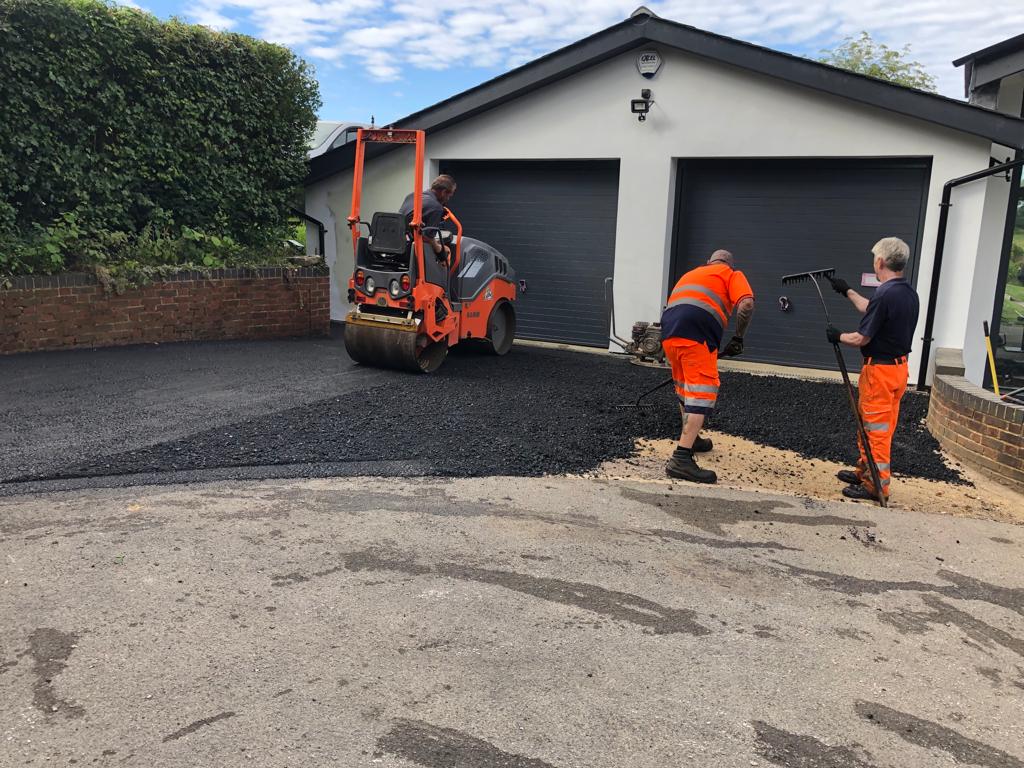
A smooth and stable asphalt surface plays an important role in making everyday vehicle access practical and reliable. Whether it is a residential driveway, commercial entrance, access road or parking area, the condition of the pavement influences how comfortably vehicles can enter, manoeuvre and travel across a property.
When asphalt becomes uneven, even relatively minor changes in surface levels can create difficulties. Depressions, raised sections, wheel ruts and damaged edges may force drivers to slow down, change direction or avoid particular areas. Over time, these irregularities can worsen, particularly when traffic continues using the same weakened sections.
For property owners in Barossa Valley, SA, maintaining a consistent asphalt surface is an important part of preserving convenient access. Barossa Road Valley Tech SA provides professional asphalt and bitumen surfacing, repairs and resurfacing, helping restore damaged pavements and improve their suitability for regular vehicle movements.
Why Does an Even Asphalt Surface Matter?
An asphalt surface is designed to provide a continuous, stable area for vehicle movements. When properly constructed, it allows traffic to travel across the pavement without encountering unnecessary changes in level.
However, as the surface deteriorates, its original profile can begin to change.
Some sections may settle, while others develop raised edges, cracks or depressions. These irregularities can affect the way vehicles move across the area and how water drains from the pavement.
A consistent surface is particularly important where vehicles repeatedly follow the same route, such as driveways, entrances and frequently used access roads.
Maintaining suitable pavement levels helps preserve the functionality of these areas and reduces the likelihood of developing defects interfering with everyday access.
Uneven Asphalt Can Make Vehicle Movements Less Comfortable
One of the first noticeable effects of uneven asphalt is a change in driving comfort.
Vehicles travelling across depressions, potholes or raised sections may experience sudden jolts or vibrations. Drivers may need to reduce their speed considerably to negotiate the damaged area.
This can become frustrating when the same route is used several times each day.
A driveway with uneven wheel tracks, for example, may require drivers to approach certain sections more carefully. Similarly, a commercial accessway with multiple depressions can make regular vehicle movements unnecessarily difficult.
Professional asphalt repairs or resurfacing can help restore a more consistent travelling surface where the underlying pavement remains suitable.
Surface Depressions Can Disrupt Normal Access
Depressions develop when sections of asphalt or the supporting pavement move below their original level.
This may occur because of repeated traffic loading, inadequate compaction, unstable underlying material or gradual deterioration.
Even a relatively shallow depression can become noticeable when vehicles repeatedly cross it.
More substantial settlement can create an uneven transition between the affected section and the surrounding pavement.
These changes may require drivers to alter their usual route or approach the area more slowly.
Importantly, a depression may indicate more than surface wear. If the supporting pavement has become unstable, the affected section may require deeper preparation before the asphalt can be properly restored.
Wheel Ruts Can Make Access Routes Less Consistent
Wheel ruts are depressions that develop along frequently travelled vehicle paths.
They can form when pavement materials deform under repeated loading, particularly where vehicles regularly follow the same route.
On busy accessways, rutting can gradually become more pronounced.
Deep wheel tracks may affect how smoothly vehicles travel across the pavement, particularly when entering or leaving a rutted section.
Ruts can also influence drainage by directing water along the wheel paths rather than allowing it to move away from the surface.
If the deformation originates within the supporting pavement, simply applying a new asphalt layer may not address the underlying problem.
Professional assessment helps determine whether the rutting is confined to the surface or requires more substantial pavement repairs.
Uneven Entrances Can Make Access More Difficult
Property entrances are particularly important because they connect the accessway with the areas used for parking, deliveries or general vehicle movements.
If an entrance develops settlement, potholes or raised sections, vehicles may need to approach it at a different angle or reduce their speed significantly.
The problem can be more noticeable where vehicles regularly turn while entering or leaving.
Repeated braking, acceleration and turning also place additional stresses on the pavement.
Where an entrance has deteriorated, restoring the surface profile can help make access more consistent.
The repair should consider both the visible asphalt and the condition of the supporting materials, especially if the same section has experienced previous failures.
Potholes Can Restrict the Usable Surface
Potholes are particularly disruptive because they create openings in an otherwise continuous pavement.
Drivers may begin avoiding the damaged section, changing their usual wheel paths or moving closer to the edges of the accessway.
On narrower surfaces, there may be limited room to avoid the defect.
As the pothole grows, the usable area can become increasingly restricted.
Potholes can also allow water to enter the pavement, potentially weakening the supporting material and contributing to further deterioration.
Timely pothole repairs can restore the damaged section and help prevent the surrounding asphalt from breaking apart.
However, if potholes repeatedly develop in the same location, the underlying pavement should be investigated before further repairs are completed.
Uneven Asphalt Can Affect Turning and Manoeuvring Areas
Turning areas experience different stresses from straight sections of pavement.
When vehicles change direction, their tyres apply horizontal forces as well as downward loads.
If the surface is already uneven, these movements may become less straightforward.
Drivers may need to avoid depressions or damaged sections while turning, particularly in confined spaces.
Repeated turning movements can also accelerate deterioration where the pavement lacks adequate support.
For properties with frequently used turning areas, professional asphalt preparation should consider the expected vehicle movements and the condition of the underlying base.
Restoring a consistent surface can make these areas easier to use while helping the pavement accommodate regular traffic.
Standing Water Can Make Uneven Asphalt Worse
Uneven asphalt often creates drainage problems.
When a surface develops depressions or wheel ruts, rainfall can collect in the lower sections rather than draining away.
Standing water can make existing irregularities more noticeable and may contribute to further deterioration.
If moisture enters cracks or damaged asphalt, it can reach the supporting pavement layers.
Where these materials become unstable, repeated vehicle loading may cause additional settlement and cracking.
This can create a continuing cycle in which uneven pavement collects water, moisture contributes to deterioration and the surface becomes progressively less consistent.
Correcting drainage and pavement levels is therefore an important consideration during asphalt repairs and resurfacing.
Damaged Edges Can Reduce Available Access Width
The condition of the pavement edges can also influence vehicle access.
Asphalt edges may deteriorate when surrounding material erodes, support becomes inadequate or vehicles regularly travel close to the boundary.
Cracking and breakage can gradually reduce the usable width of the surface.
Drivers may then need to keep further away from the damaged edge, which can be inconvenient on narrower driveways and access roads.
If deterioration continues, the damaged area may extend towards the centre of the pavement.
Professional edge repairs should restore suitable support beneath the asphalt rather than simply covering the broken section.
Maintaining sound pavement edges helps preserve the intended travelling area.
Uneven Surfaces Can Affect Different Vehicles in Different Ways
Not all vehicles respond to uneven asphalt in the same manner.
A small passenger vehicle may negotiate a shallow depression differently from a larger commercial vehicle.
Vehicle clearance, wheelbase, weight and turning requirements all influence how a surface is used.
For example, a raised transition may be particularly noticeable to a low-clearance vehicle, while a heavily loaded vehicle may place greater pressure on a weakened section of pavement.
This is why asphalt construction and repair work should consider the vehicles that regularly use the property.
A surface designed for occasional light traffic may require different preparation from one supporting frequent commercial vehicle movements.
Understanding these demands helps determine the appropriate pavement treatment.
Why Does Asphalt Become Uneven?
Uneven asphalt can develop for several reasons, and identifying the cause is important when selecting a suitable repair method.
Inadequate Base Compaction
If the supporting material was not adequately compacted during construction, traffic may gradually compress it further.
This can cause localised settlement in the asphalt above.
Weak or Unstable Ground
Soft areas beneath the pavement can move under repeated vehicle loading.
The resulting movement may cause depressions, cracking or rutting.
Water Penetration
Water entering through cracks and damaged sections can weaken certain supporting materials.
Continued traffic may then contribute to further pavement movement.
Repeated Heavy Vehicle Loading
Frequent loading can gradually deform pavement materials, particularly where the structure is not suited to the traffic using it.
Ageing and Surface Deterioration
Asphalt naturally changes with age and exposure.
Cracking, potholes and worn sections can eventually affect the consistency of the travelling surface.
Because these causes differ, the most appropriate repair should be based on the actual condition of the pavement.
Can Uneven Asphalt Be Repaired Without Replacing the Entire Surface?
In many cases, uneven asphalt can be repaired without reconstructing the complete pavement.
The appropriate approach depends on how widespread the deterioration is and whether the underlying structure remains stable.
If settlement or damage is confined to a small area, localised repairs may be sufficient.
The affected asphalt can be removed, the supporting pavement assessed and the section reinstated after suitable preparation.
However, where the surface contains numerous depressions, cracks and irregularities, a more extensive treatment may be appropriate.
The key is determining whether the problem is limited to the asphalt wearing surface or extends into the pavement underneath.
When Is Asphalt Resurfacing a Suitable Solution?
Resurfacing may be appropriate when the existing asphalt has become generally worn or uneven but the supporting pavement remains structurally sound.
Before resurfacing, damaged areas should be assessed and repaired as necessary.
Localised settlement, potholes and unstable sections may require preparation before a new asphalt layer is installed.
Where suitable, resurfacing can restore a smoother and more consistent surface across the affected area.
It may also provide an opportunity to improve pavement levels and address minor irregularities.
However, resurfacing should not be used to conceal substantial structural failures.
If the base continues moving or settling, those problems can eventually affect the new surface.
When Does Uneven Asphalt Require Reconstruction?
Some pavement problems cannot be adequately addressed through surface repairs alone.
Where substantial settlement, deep rutting or widespread structural cracking is present, the supporting pavement may no longer provide sufficient stability.
In these circumstances, affected sections may require reconstruction.
This can involve removing deteriorated pavement materials, preparing the underlying ground, installing suitable base material and compacting the structure before new asphalt is laid.
Reconstruction may only be necessary in particular sections rather than across the entire surface.
A professional assessment helps identify which areas require deeper work and which parts of the existing pavement remain suitable for retention.
Why Professional Asphalt Preparation Matters
A smooth asphalt finish depends on the preparation completed underneath it.
The supporting pavement must provide a consistent foundation capable of accommodating the expected traffic.
Proper grading helps establish suitable levels, while compaction creates a stable base before asphalt installation.
Drainage should also be considered so rainfall can move away from the finished surface.
Where these elements are addressed correctly, the pavement is better positioned to maintain its intended profile under regular use.
For properties in Barossa Valley, SA, professional asphalt construction and resurfacing can help restore practical access while addressing the underlying conditions contributing to uneven pavement.
The Importance of Addressing Uneven Asphalt Early
Small surface irregularities may initially seem manageable, particularly when vehicles can still travel across the area.
However, continued use can place additional stress on weakened sections.
A shallow depression may become deeper, cracks may widen and damaged edges can begin breaking away.
Water collecting in uneven sections may also contribute to further deterioration.
Addressing these problems while they remain relatively localised can help protect surrounding asphalt that is still in serviceable condition.
Early assessment also provides an opportunity to determine whether targeted repairs are sufficient before more extensive deterioration develops.
Conclusion
Uneven asphalt can affect everyday vehicle access by creating uncomfortable travelling conditions, restricting usable pavement width and making entrances, turning areas and frequently travelled routes less consistent.
Depressions, wheel ruts, potholes and damaged edges can gradually interfere with normal vehicle movements. These defects may also contribute to drainage problems, allowing deterioration to progress if the underlying causes are not addressed.
The most appropriate solution depends on the condition of the existing pavement. Localised repairs may restore isolated defects, while resurfacing can improve a generally worn surface where the underlying structure remains stable. More substantial reconstruction may be necessary when the pavement base has deteriorated.
Barossa Road Valley Tech SA provides professional asphalt and bitumen surfacing, repairs, resurfacing and pavement preparation throughout Barossa Valley, SA. If uneven asphalt is affecting access to your property, contact our team to arrange an assessment and discuss a suitable approach to restoring a smoother, more reliable surface.
Call us on: 08 5122 4216
Click here to find out more about Barossa Road Valley SA
Click here to complete our contact form and see how we can help with your roofing needs.